Escape room 11+
Turing Test
4.51
4 - 8 people60 minutesMedium
Company 60out Escape Rooms
Medium
Not scary
Without actorsActors
EnglishGame language
About the escape room
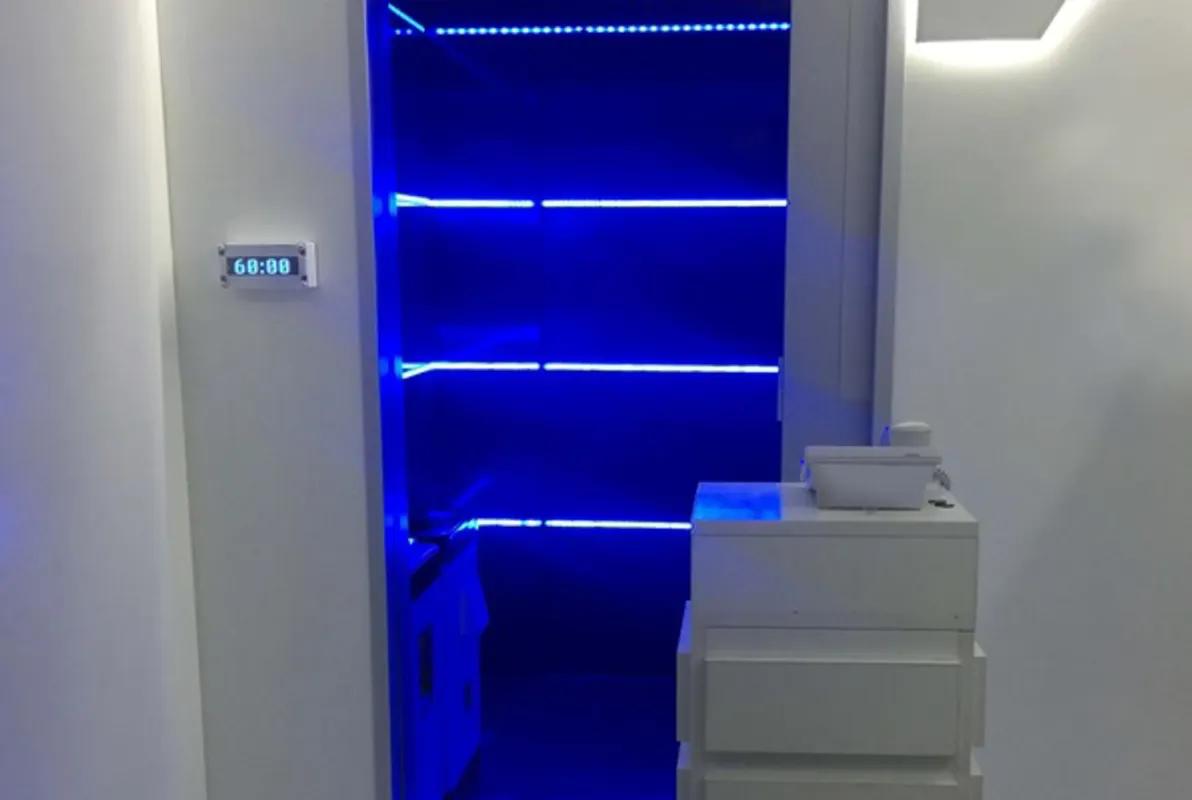
We now exist in a world where human intelligence and artificial intelligence are indiscernible, and you must prove that you are who you say you are, human. It's just your normal check-up, nothing new. False positives are quite rare, so you shouldn't worry, that is, unless you have something to hide?
AI
Brief assessment
Navigator AIGo for the split-start twist and the Portal‑ish vibe: four pods, heavy communication, and puzzles that make everyone pitch in. When the tech behaves and the GM reads the room, it’s a fresh, memorable spin on the “prove you’re human” theme.
The owner of this escape room has not yet confirmed their details.
If you are the owner of this escape room, please confirm your details so that customers can see your contact information for bookings.Location
Paid Parking
Wifi
Wardrobe
AI Overview
AIPlayers consistently praise the unique structure and teamwork, saying four people is the sweet spot. The experience is very GM‑reliant, and support quality swings from helpful to overbearing or delayed. Maintenance is uneven with laggy sensors, worn props, and the occasional outright break, which hurts flow. Difficulty feels medium-to-hard but uneven, with idle time when one pod finishes before another.
WeaknessesMultiple reports of buggy or slow-to-register mechanisms, leftover red herrings, and devices that break mid-game. Heavy unsolicited hinting or, conversely, slow responses can undercut agency. Flow can stall while one station waits on others, and the finale often lands softly.
StrengthsStandout split-start design that forces real coordination and keeps all players engaged. Varied tactile and tech interactions with a clean AI-lab atmosphere. At its best, it delivers clever collaboration moments you won’t see in standard lock-and-key rooms.
SecurityA few players noted locked pods without obvious panic releases and wanted clearer safety cues. Staff often screen for claustrophobia and can adjust roles, but maintenance issues were also mentioned.
Level of fearNot scary; it’s a cerebral sci‑fi lab with a cheeky AI presence. Tight pods and brief enclosed bits may bother claustrophobic players, but there’s no horror.
Actors' gameGame masters get mixed marks—some kind and attentive, others distracted or pushy with hints. Set expectations early if you don’t want help unless asked, because the room leans on GM guidance.
Quality of riddlesCommunication and sense-driven tasks lead the way, sprinkled with straightforward logic and tactile tech. When the electronics cooperate, solves feel slick; when they lag, expect re-dos and confusion. Generally fair but occasionally unclear in sequence, which ups reliance on the GM.
PlotLight narrative centered on an AI assessing your humanity through tests. The premise works; the ending is frequently described as anticlimactic.
Difficulty levelPlays medium-to-hard and favors experienced teams or strong communicators. Requires at least four people and is commonly rated best with exactly four.
Other escape rooms at this location
Turing Test4 - 8 people
Escape rooms in Los Angeles by category
Pick a vibe — every category is a real page with reviews and booking.
Reviews