Escape room 14+
Dracula
- 2–6Players
- 60 minutesTime
- Difficult. Dense puzzles. Better with some experience.Difficulty
- Tense. A heavy mood, few sudden scares.Scariness
- from $ 120Price
About the escape room
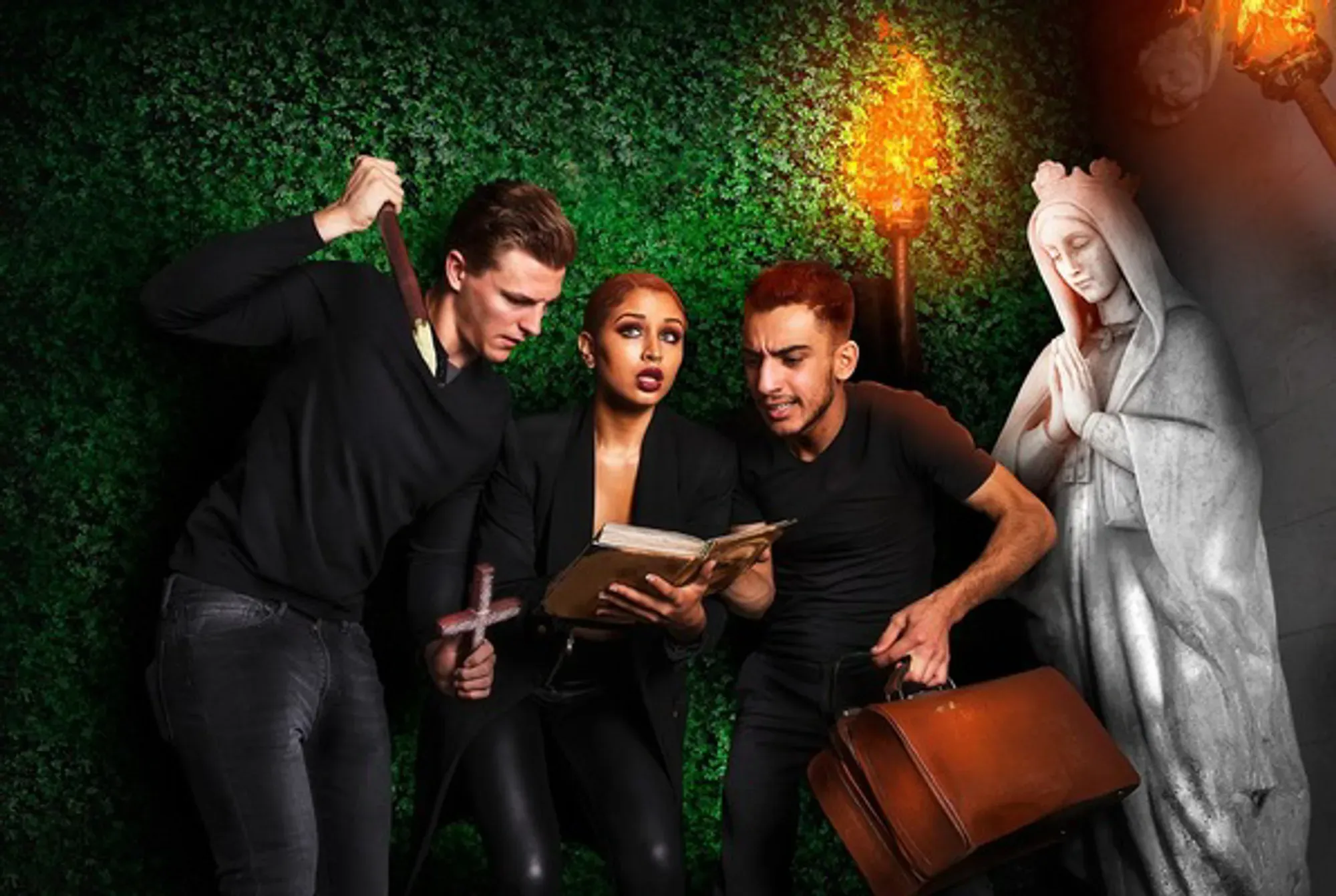
You and your team of fearless Vampire Hunters will seek out and explore the forbidden resting place of the legendary Count Dracula. You'll have exactly one hour before sundown or you may end up his next prey!
The owner of this escape room has not yet confirmed their details.
If you are the owner of this escape room, please confirm your details so that customers can see your contact information for bookings.Location
Paid Parking
Wifi
Wardrobe
AI Overview
AIReviews praise the immersive cemetery-and-crypt vibe but consistently call out how dark the room is and how finicky the lighting tools can be. Puzzle quality swings from clever to confusing, with logic leaps, reading-heavy tasks, and scarce feedback when you’re right. Tech wear and occasional broken elements frustrate, though staff often step in helpfully. Difficulty skews high; many experienced groups needed frequent hints.
WeaknessesThe room is very dark, and a shared or awkward light source can bottleneck play. Some puzzles feel janky or illogical, with unclear solve states and reading that drags the pace. Tech wear, discontinued elements left in place, and single-prop gating cause confusion.
StrengthsAtmosphere and set design land the Dracula fantasy with style, from eerie props to cool room reveals. There are several fresh, interactive tasks that long-time players haven’t seen before. Game masters are frequently applauded for enthusiasm and support.
SecurityPhysically safe, but the low lighting and worn tech can be frustrating; staff sometimes add time for glitches. Expect to handle lanterns or similar tools and mind the cramped moments around a single prop.
Level of fearMore eerie than scary, with minimal or no jump scares. Suitable for teens and cautious players; horror fans should expect vibes, not terror.
Actors' gameNo in-room actors, but game masters get shout-outs for energy and timely help; a few guests disliked over-hinting. Interaction is mostly via hints rather than performance.
Quality of riddlesA mixed bag: inventive mechanisms and a memorable resource puzzle sit alongside logic leaps and vague feedback. Several tasks require lots of reading and can stall under low light. One shared tool can gate progress and create crowding.
PlotYou’re vampire hunters racing sundown through Dracula’s lair, piecing together rites and relics to survive. The narrative is clear enough, though the middle-to-end flow can feel disjointed and the finale sometimes underwhelms.
Difficulty levelChallenging, even for veterans, with frequent hints common and time pressure real. Best for groups of 4–6; not ideal as a first-ever room.
Other escape rooms at this location
From $ 1202 - 6 people
Reviews