Closed
The Basement
4.51
2 - 10 people45 minutesSherlock level
Company The Basement
Sherlock level
A bit scary
Without actorsActors
EnglishGame language
About the escape room
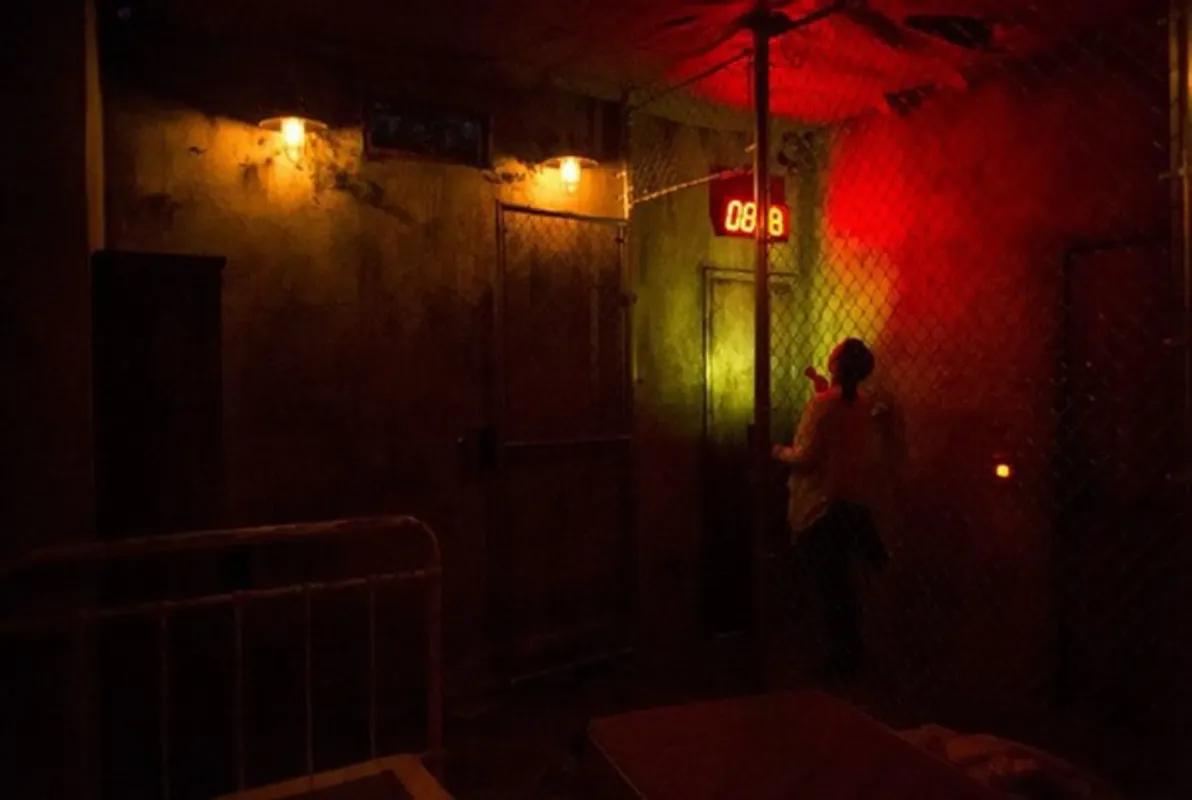
Chfpter 1. You and your friends have been kidnapped by Edward Tandy - a cannibalistic serial killer with a fine taste for unique electronics, taxidermy, and of course human flesh... He has created a sick and twisted game of sorts in his deceased mother's home. He hopes to weed out the unintelligent and find those who are "worthy of escaping" by his late mother's standards.
AI
Brief assessment
Navigator AIGo for the grimy, cinematic set and the live-actor energy—this chapter moves fast and feels like you’re inside a horror film without needing a steel stomach. If you’re into spooky vibes, hands-on moments, and beating the clock under pressure, it’s a ride.
The owner of this escape room has not yet confirmed their details.
If you are the owner of this escape room, please confirm your details so that customers can see your contact information for bookings.Location
Paid Parking
Wifi
Wardrobe
AI Overview
AIMost players gush about the atmosphere, intro, and production; the room looks and feels gross in all the right ways. The live actor is divisive—many say they elevate the tension, others felt pushed or overly hinted. Puzzles skew search-heavy with old-school locks and a funnel-like flow that can bottleneck, especially in low light. The 45-minute timer and darkness amp up stress; groups of 4–6 seem happiest, while public or oversized groups felt cramped and chaotic.
WeaknessesCommon gripes: lots of scavenging, weaker logic ties, and reliance on darkness over cleverness. The actor can feel like a pushy hint system if timing is off. The short 45-minute window leaves some teams feeling rushed, especially smaller groups.
StrengthsTop-tier set design and sound build a dirty, Saw-adjacent mood that pulls you in from the pre-show. The actor can add real suspense and character, and there are some memorable, tactile beats. Good momentum with plenty to do for a small-to-mid group.
SecurityStaff briefings set expectations and the team monitors closely; it’s scary-play, not unsafe. Low light and startle moments are intentional, with clear instructions on interaction and boundaries.
Level of fearCreepy, tense, and occasionally gross, but many say it’s not as terrifying as the marketing suggests. Likely too intense for younger kids or the squeamish, but fine for most teens and adults who can handle jumpy moments.
Actors' gameFeedback ranges from best-in-class performances to intrusive hand-holding. Expect them to guide, shout, and occasionally spook; when balanced well, it lifts the whole experience.
Quality of riddlesA blend of linear steps and heavy searching with plenty of locks; a few cool moments pop, but logic ties can be thin. Flow can feel like a funnel where one miss stalls everything. Multiple versions and a harder mode exist, and at least one step can be brute-forced.
PlotYou’re captives of Edward Tandy in his late mother’s home, proving you’re “worthy” by escaping his twisted tests. It kicks off the Tandy saga with a grim tone and a clear survival drive, no spoilers needed.
Difficulty levelPuzzle difficulty is moderate, but darkness and the 45-minute clock make it feel tougher. Casual groups or duos may feel squeezed; 4–6 experienced players hit the sweet spot.
Other escape rooms at this location
Escape rooms in Las Vegas by category
Pick a vibe — every category is a real page with reviews and booking.
Reviews