Closed
Zombie Apocalypse
4.66
2 - 6 people60 minutesDifficult
Company Wild Goose Escapes
Difficult
Not scary
Without actorsActors
EnglishGame language
About the escape room
A lethal man-made virus is turning healthy people into bloodthirsty, emotionless zombies. All it takes for the virus to spread is one single bite. Most of the planet is now infected and humanity is on the brink of extinction.
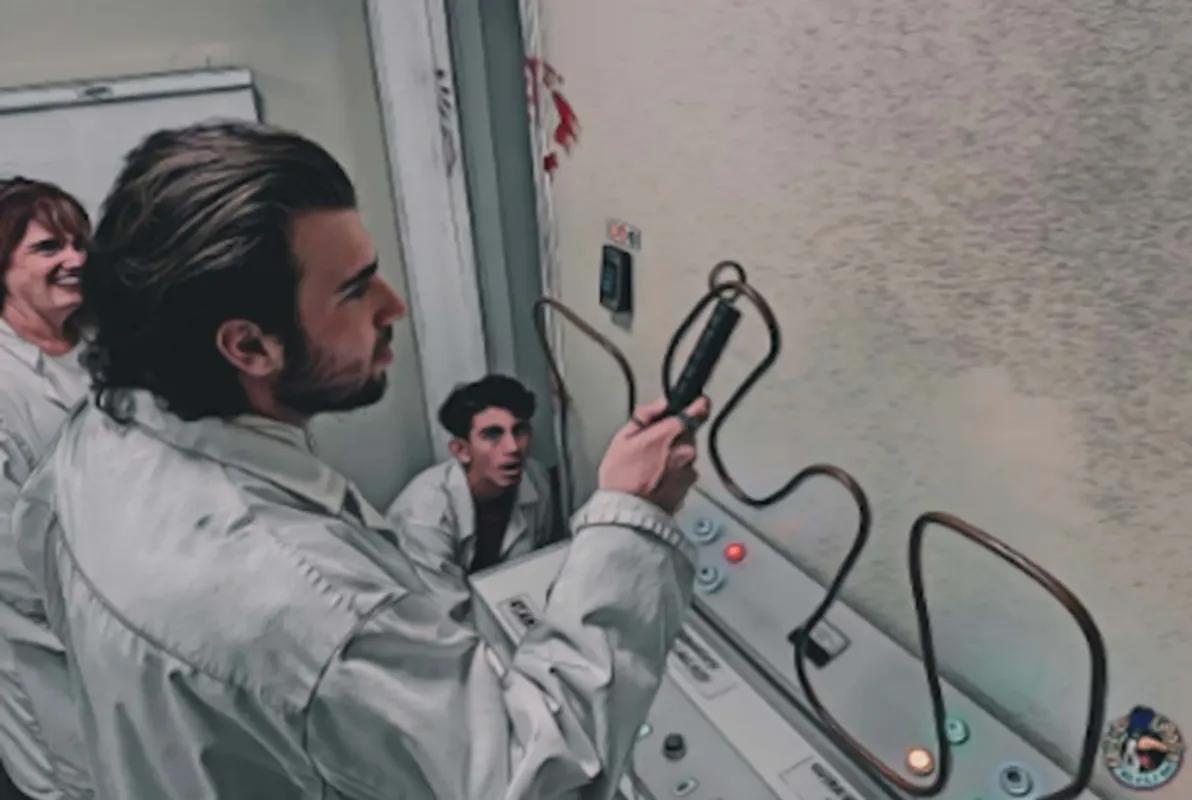
You are a team of scientists who were shipped to Russia to find the cure. You have only 60 minutes to save yourselves and the whole world before the zombies break down the door of the lab and eat you!
AI
Brief assessment
Navigator AICome for a brainy, science-first zombie lab with real pressure and a ticking clock. It’s not super scary, but it delivers clever, on-theme puzzles and helpful hosting.
The owner of this escape room has not yet confirmed their details.
If you are the owner of this escape room, please confirm your details so that customers can see your contact information for bookings.Location
Paid Parking
Wifi
Wardrobe
AI Overview
AIPlayers consistently call it science-heavy with lots of reading and research, and most say the puzzles feel logical for a lab. Difficulty skews higher, with a slow or confusing start that improves once a first thread is found. Set design feels dated to some, and one dexterity puzzle is called a time sink. A few note similarities to other local zombie rooms, while staff support and hinting get praise.
WeaknessesSet can feel plain or dated, and one dexterity task can chew up time. Finding the first step is tricky for many teams. A couple of players question originality due to overlap with another venue’s zombie room.
StrengthsCohesive lab narrative where puzzles make sense and reward analytical thinking. Friendly, attentive game masters and solid hint support. Some cool props and a touch of tech add variety.
SecurityStandard briefing and close monitoring keep things controlled, with hints available when needed. Mostly mental challenges; one dexterity puzzle requires steady hands but not risky moves.
Level of fearMore creepy than scary, with tense moments but no full-on horror. Suitable for teens and skittish players, though zombie-averse folks might jump.
Actors' gameNo live actors reported; interaction is mainly through the game master and the hint system. Hosts like Gage get shout-outs for being supportive and friendly.
Quality of riddlesResearch-forward and reading-heavy with a solid science bent; generally fair and thematic once you catch the thread. Variety includes logic and a notable dexterity element that some felt wasted time. Flow improves after a tough opening.
PlotYou’re scientists racing in a Russian lab to discover a cure before the infected breach the door. The stakes are global and the 60-minute countdown adds urgency without needing jump scares.
Difficulty levelLeans challenging and can overwhelm non-science folks at first. Experienced teams or groups comfortable with reading-heavy logic will shine; beginners may need a few hints to get going.
Reviews