Escape room 12+
Insane Asylum
2 - 7 people60 minutesSherlock level
Company PanIQ Room
Sherlock level
Not scary
Without actorsActors
EnglishGame language
About the escape room
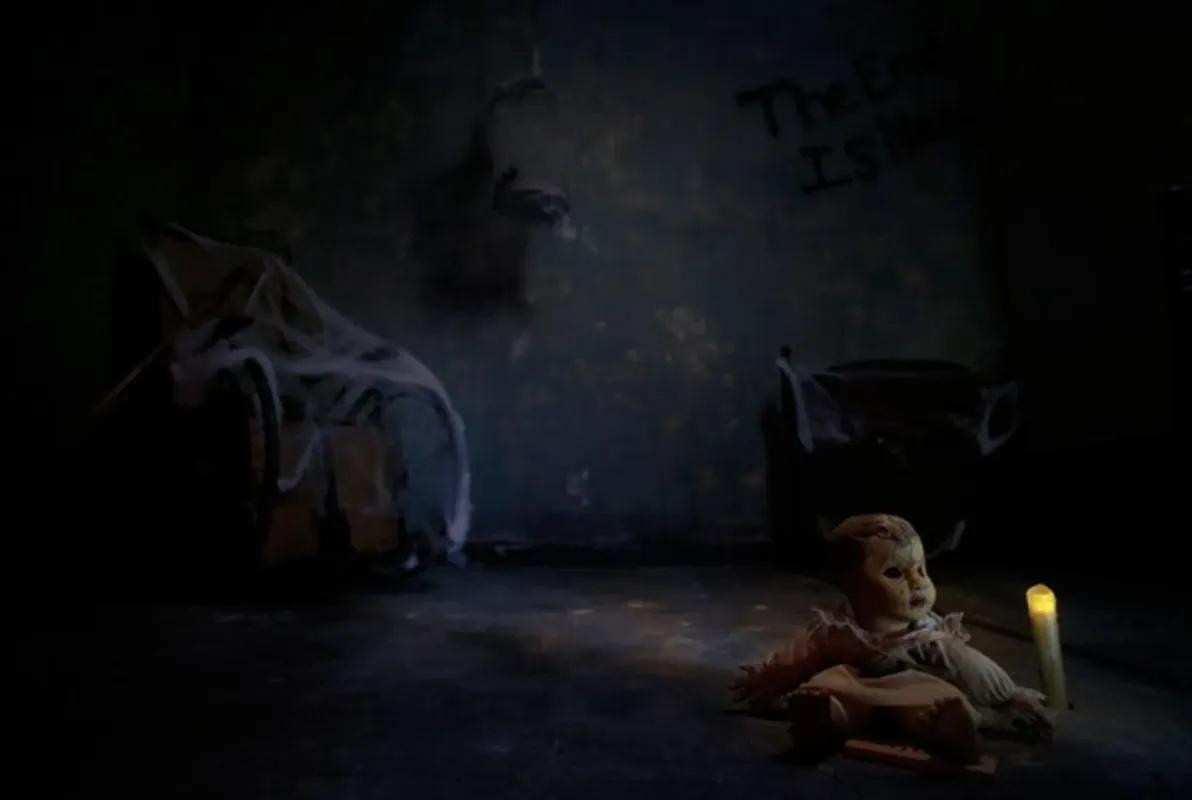
The year is 1956. You have been kidnapped by a secret group of scientists and being used as a guinea-pig for their mind control program. Doctors have held you inside a padded room for weeks now.
There was an emergency at the other side of the institution, so the staff is gone for a while. Probably this is your last chance to escape before they completely brainwash you.
AIThere are no reviews for this escape room yet.
Leave your first review and receive bonus points for it 🎯
Brief assessment
Navigator AIA moody 1956 asylum breakout with sharp, hands‑on puzzles and a steady drip of tension. Go for the creepy set design, stay for the clutch last‑minute solves and spot‑on guidance from the game masters.
The owner of this escape room has not yet confirmed their details.
If you are the owner of this escape room, please confirm your details so that customers can see your contact information for bookings.Location
PanIQ Room is located inside Lion Business Park. You can enter the park from Quimby Road and you can park in our parking lot for free. Follow the PanIQ Room signs inside the park, and park at the last sign. Walk along Building "A" to the end. PanIQ Room is located next to Smash Gyms.
Paid Parking
Wifi
Wardrobe
AI Overview
AIMost guests rave about the immersive padded‑cell atmosphere and the fun, challenging flow that often comes down to the wire. Game masters get consistent praise for friendly, timely hints that don’t spoil the solution. Difficulty skews mid‑to‑hard with plenty of teamwork moments, and even first‑timers report having a blast. A smaller group flags a couple clunky tasks, minor red herrings, and one worn lock as weak spots.
WeaknessesSome players dislike “fishing” or coordination tasks and mention one early puzzle that feels like a big logical leap. A few props show wear, including a finicky lock, and there are occasional red herrings. One maze/coordination element frustrates certain teams.
StrengthsStrong theme execution from the padded room to darker spaces keeps the tension high. Puzzles mix logic, searching, mechanics, and light coordination so everyone has something to do. Staff are organized, upbeat, and keep the pace smooth.
SecurityClear briefing and constant monitoring help the room feel controlled and safe; the build is sturdy. Physical demands are light, aside from occasional coordination or simple manipulation tasks.
Level of fearCreepy, dim, and occasionally jumpy, with unsettling details but not extreme horror. Fine for teens and scare‑tolerant newcomers; nervous kids or horror‑averse players might prefer another theme.
Actors' gameNo in‑room actors, but the game masters shine—welcoming, funny, and great at calibrated hints. Many call out hosts by name for setting the scene and keeping the game moving without giving away answers.
Quality of riddlesGenerally fair and varied with a logical throughline once you’re on track. Expect symbols, light searching, mechanical reveals, and one or two kinesthetic or coordination bits. A couple of puzzles divide opinion due to difficulty spikes or manual effort.
PlotYou’re test subjects in a 1956 mind‑control program, grabbing a brief window to escape while staff are distracted. The story frames the rooms cleanly without getting in the way of play.
Difficulty levelMid‑to‑hard, with finishes often in the last minutes and an escape rate around halfway per one host’s comment. Best for 3–6 players; duos can attempt it with hints, and veterans may breeze through some steps but not all.
Other escape rooms at this location
Insane Asylum2 - 7 people
Escape rooms in San Jose by category
Pick a vibe — every category is a real page with reviews and booking.
Reviews