Escape room 12+
Insane Asylum
- Verified
- 2–7Players
- 60 minutesTime
- Sherlock level. For players who have already done hard rooms.Difficulty
- A bit scary. Jump scares and dark scenes.Scariness
About the escape room
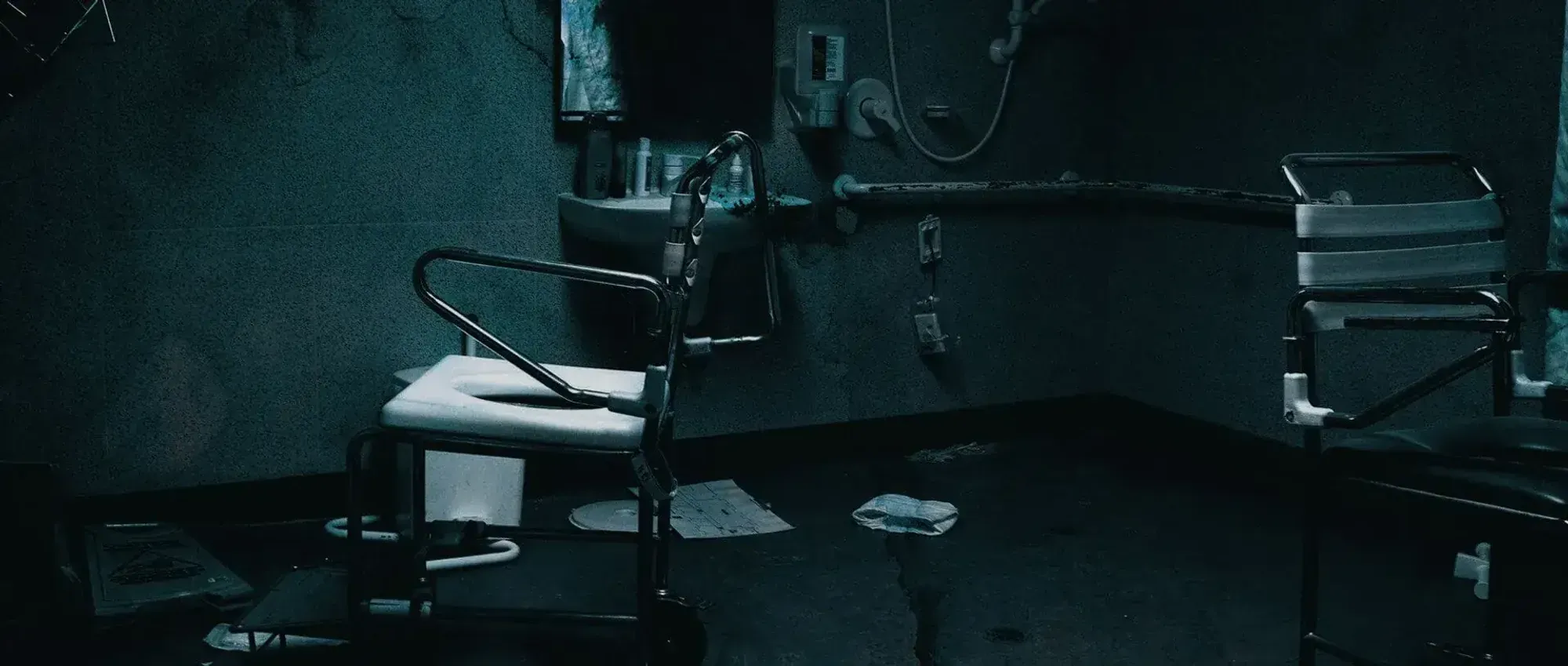
The year is 1956. You have been kidnapped by a secret group of scientists and being used as a guinea-pig for their mind control program. Doctors have held you inside a padded room for weeks now...
Location
Services are provided by PanIQ Escape Room Atlanta
AI Overview
AIReviews rave about the staff by name and call the atmosphere creepy but not overwhelming. Difficulty is high yet very beatable with timely hints, and several teams of two to four escaped with minutes to spare. Puzzles skew toward mechanisms and observation rather than combo locks, with strong teamwork moments. A minority felt some logic was unclear, a puzzle was finicky, and a few red herrings slowed the flow.
WeaknessesA few players hit unclear leaps and occasional directionless moments, with one puzzle described as finicky. Some mention red herrings and repetition that can stall momentum. If you love classic lock codes, this room leans away from them.
StrengthsEngaged hosts elevate the run with quick, friendly guidance. The set is immersive, the progression spans multiple rooms, and the puzzle mix feels fresh with plenty of teamwork. Most players found it challenging in a satisfying way.
SecurityRules and expectations are explained clearly, and hosts check in fast when needed. The space feels controlled and safe, with jump scares used lightly and thoughtfully.
Level of fearIt’s creepy with a couple of jump scares, but most say it isn’t truly scary. Likely fine for teens and skittish adults; very young players might find it intense.
Actors' gameGame masters get constant shoutouts—Adrian, Jessica, Elijah, Marcos, Katy, Matthew, Casper, and Brenda—for being helpful, upbeat, and on-point. Hints are timely and sometimes proactive, keeping frustration low without spoiling the fun.
Quality of riddlesExpect varied, mechanism‑driven tasks with less reliance on padlocks, plus observation, sequencing, and coordination puzzles. Several players loved the unique designs, though a few called out logic gaps or tiny details that are easy to miss. Teamwork matters, and sometimes you do need to revisit a spot twice.
PlotYou’re test subjects in 1956, trapped in a padded room as part of a mind‑control program, pushing through a multi‑room escape. Story beats support the puzzles without heavy exposition or spoilers.
Difficulty levelMarketed as one of the harder rooms, it’s challenging but fair, especially with hints. Beginners can still succeed, while experienced teams will enjoy the higher ceiling and multi‑step solves.
Other escape rooms at this location
Insane Asylum2 - 7 people
Escape rooms in Sacramento by category
Pick a vibe — every category is a real page with reviews and booking.
Reviews