Closed
Cannibal’s Den
4.59
2 - 6 people60 minutesDifficult
Company Quest Room
Difficult
A bit scary
Without actorsActors
EnglishGame language
About the escape room
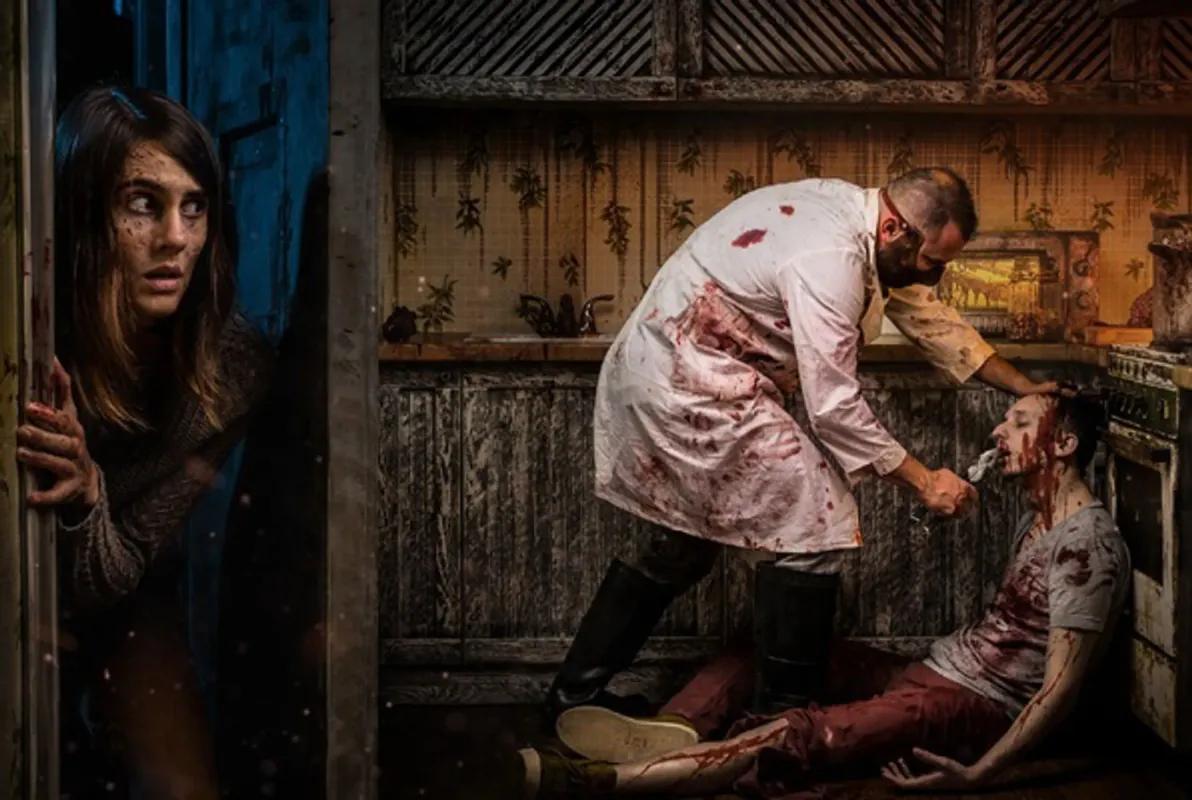
The world is still fuzzy. The dark room you open your eyes into is unfamiliar and uninviting. You thought you were going to a concert. The man driving you and your friends to the nearby town seemed so nice, but the smile he flashed as you drifted off will haunt you forever, even if you manage to make it out of here. As panic sets in, you realize you have two choices: stay here and resign yourself to being this man’s next meal, or do everything you can to escape the Cannibal's Den!
AI
Brief assessment
Navigator AIGo for the visceral, hands-on opening and the nerve-pricking actor beats that kick the story into gear. If you like thinking with your hands as much as your head, this den delivers.
The owner of this escape room has not yet confirmed their details.
If you are the owner of this escape room, please confirm your details so that customers can see your contact information for bookings.Location
Paid Parking
Wifi
Wardrobe
AI Overview
AIPlayers rave about the explosive start: hoods, separation, and immediate interaction crank the tension fast. The set sells the cannibal vibe, but the back half often cools off and the finale can feel anticlimactic. Puzzles lean practical and unconventional rather than cerebral, which some find refreshing and others call too light. Game masters get consistent love, though a few reports mention finicky props or elements that didn’t work.
WeaknessesSeveral teams felt the last act lost steam and the ending didn’t hit hard. Puzzle content can be sparse or overly simple, and late-game flow sometimes stutters. A handful of props reportedly misfired, creating unintentional hurdles.
StrengthsImmersive, grimy atmosphere with a clear Hannibal-esque flavor and bold, interactive tasks. Strong hosting and actor moments elevate the stakes and personalize the scare level.
SecurityBriefings are clear and staff check comfort levels before separating players. A few reviewers noted tasks that feel outside standard room etiquette—standing on props, plugging things in, or handling small metal pieces—so follow instructions closely and speak up if unsure.
Level of fearModerate horror with a few stress spikes and brief jumpy moments, more tense than traumatic. Staff can dial the intensity up or down, so it’s fine for most teens but probably not for small kids or the very squeamish.
Actors' gameThe live actor or actor-style GM interaction at the start is a highlight that gets everyone moving. Some wished that presence carried through the finale, but hosts consistently get high marks for energy and care.
Quality of riddlesExpect lateral, tactile problem-solving and tasks that flip normal escape-room rules on their head. It’s lighter on classic logic chains, which is refreshing to some and underwhelming to others. When everything works, it’s clever and physical; late-game flow can dip.
PlotKidnapped by a charming monster, you race to escape his home before you’re on the menu. The premise is strong up front, though several players felt the narrative thins toward the end.
Difficulty levelMarketed and felt by many as tough, mainly because it demands unconventional thinking more than pure logic. Two can manage it, but 4–5 feels like the sweet spot; enthusiasts wanting puzzle density may find it light.
Reviews