Escape room 12+
Attic
- 1–6Players
- 60 minutesTime
- Sherlock level. For players who have already done hard rooms.Difficulty
- Not scary. Almost no tension.Scariness
About the escape room
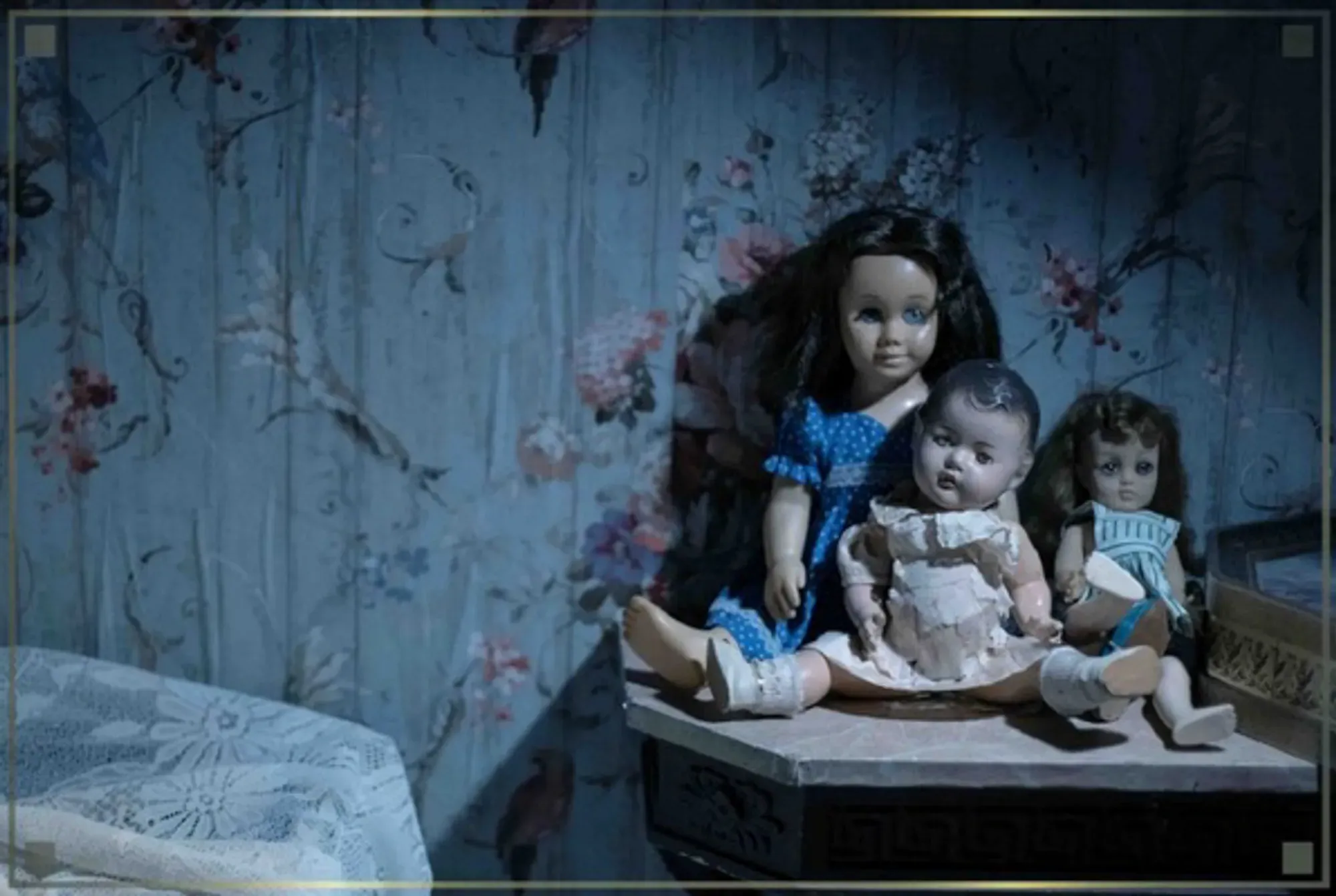
You are not welcome! She is furious. Almost a century ago there was a couple living in this house. The wife had a baby, but the little girl turned out to be very ugly. Her parents were ashamed of her, so the mother locked her up in the attic. She didn’t want anyone to see her ever again. She had clothes, food and toys. But that’s all she got.
Elena grew up lonely until something evil happened. A demon came along… from that moment on, she did everything she could to take revenge on her parents and anyone who ever visited the house. No guests were allowed. She scared away everyone and put a spell on her father and mother so they could never leave the house. Many people died in the house, and now you are here in this attic. All she wants is to play. Will you? Be careful do not upset her…
The owner of this escape room has not yet confirmed their details.
If you are the owner of this escape room, please confirm your details so that customers can see your contact information for bookings.Location
Paid Parking
Wifi
Wardrobe
AI Overview
AIPlayers rave about the production value, creepy vibe, and in‑character staff throughout the venue. The Attic itself is very dark, leans on audio cues, and runs hard, with many recommending 3–4 players. Puzzles are generally logical but can be time‑consuming; a slide/Klotski segment divides opinion and drew a few complaints about tedium or configuration. A minority reported tech hiccups and a static hint system that sometimes feels unhelpful, while most still had a strong overall experience.
WeaknessesLighting is extremely dim and can slow progress or frustrate some groups. The slide/Klotski puzzle feels like a time sink to several players, with one report of an unwinnable setup and others noting pieces slipping on a vertical board. A few teams hit technical glitches and found the pre‑printed hint slides too rigid when something malfunctioned.
StrengthsImmersion is top‑tier, from the set dressing to the sound design and story integration. The room delivers steady tension and a satisfying flow for experienced teams. Staff commitment to theme adds to the whole experience.
SecurityExpect low lighting and startle effects—watch your step and hands. Staff monitor the game and there’s an emergency button, though a couple of teams reported slow or scripted assistance at times.
Level of fearIt’s dark, creepy, and jumpy, closer to haunt vibes than family fun. Not ideal for young kids or anyone uneasy with loud audio and startles.
Actors' gameGuests highlight committed, in‑character staff in the lobby and check‑in. Inside The Attic there are usually no live actors, though you’ll still get startles and brief door interactions that keep you on edge.
Quality of riddlesNon‑linear mix with strong audio elements, spatial tasks, and classic mechanisms like mirrors, tones, and a slide/Klotski board. Most puzzles are fair and thematic but can be grindy, rewarding patience more than genius leaps. A few maintenance and clarity issues pop up, so the hint path matters when things stall.
PlotYou’re trapped in the attic of Elena, a wronged child twisted by something demonic, and she wants to play. Survive her games, read the house’s history, and find a way out without making her angry.
Difficulty levelChallenging, with lots to do and several puzzles that chew time. Best for 3–4 players; two can make it but it’s a scramble, while beginners may feel overwhelmed.
Other escape rooms at this location
Attic1 - 6 people
Reviews