Escape room 12+
Insane Asylum
- Verified
- 2–6Players
- 60 minutesTime
- Sherlock level. For players who have already done hard rooms.Difficulty
- Not scary. Almost no tension.Scariness
About the escape room
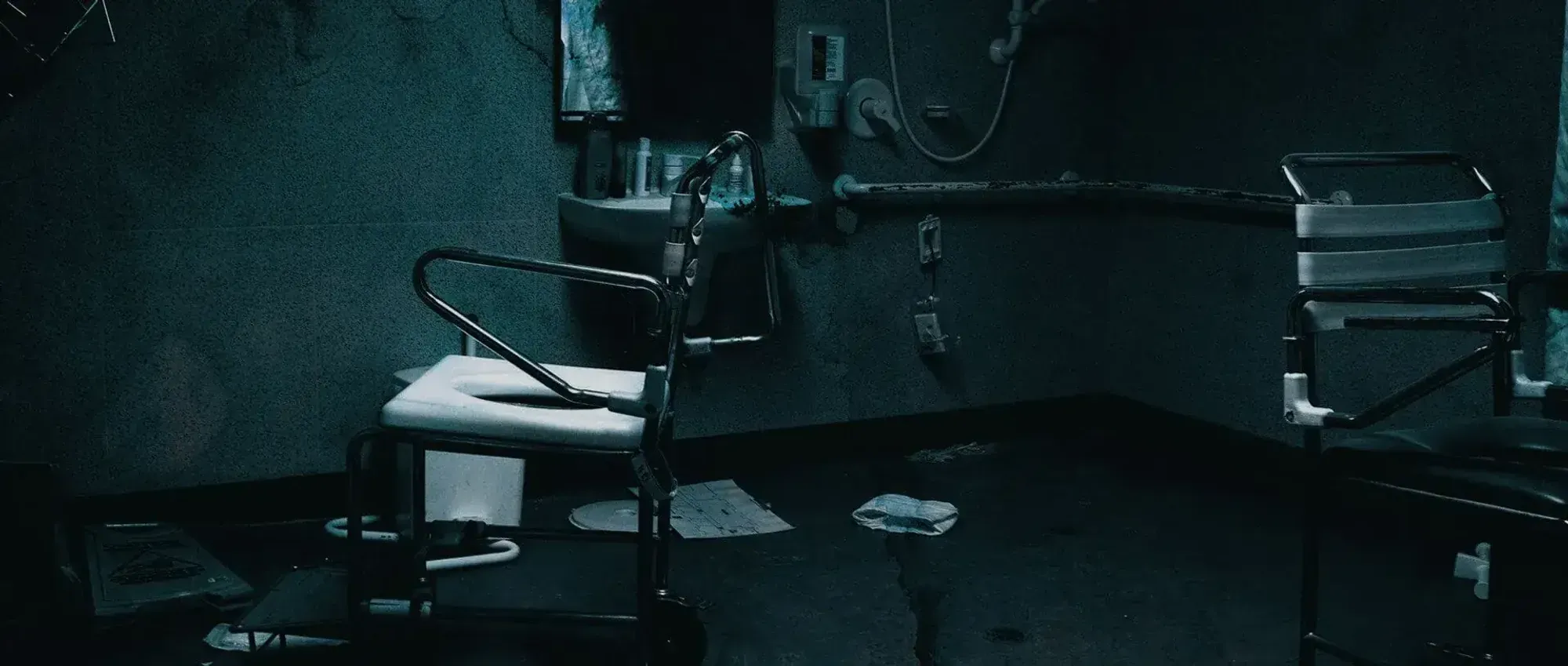
The year is 1956. You have been kidnapped by a secret group of scientists and being used as a guinea-pig for their mind control program. Doctors have held you inside a padded room for weeks now...
Location
Services are provided by PanIQ Escape Room Atlanta
AI Overview
AIPlayers love the immersive set, padded‑cell start, and a creepy tone that’s more tense than terrifying. Difficulty skews medium‑to‑hard and leans heavily on dexterity and physical tasks, which shine with groups of four to five but can be tough with two. Staff get rave reviews for energy, kindness, and personalization, though hint timing can feel either a bit quick or slow. A few complaints mention low lighting, a noisy effect, and one magnet or luck‑leaning puzzle that can stall progress.
WeaknessesSeveral players felt there were too many dexterity tasks, with one magnet puzzle feeling finicky or time‑wasting. Lighting and sound can make clues hard to see or hear, and hint pacing isn’t always perfect. A couple puzzles can feel like a leap or a bit luck‑based.
StrengthsInventive use of space with creative mechanical and collaborative moments, plus a solid overall puzzle flow. Game masters are friendly, flexible, and happy to tailor scares or add sweet touches for occasions. Photo ops inside the room add a fun extra.
SecurityStaff brief you clearly, monitor throughout, and can adjust or skip scare beats on request. Some segments are physically taxing; rotate duties and speak up if something feels uncomfortable.
Level of fearCreepy ambience with light jump scares, but not full‑on horror. Intensity can be toned up or down, making it fine for teens and skittish adults; younger kids depend on comfort level and supervision.
Actors' gameGame masters like Jenna, Marz/Mars, Flavio, Peter, Lizzy, Noelle, Jake, and Jonathan get consistent praise for being upbeat, helpful, and engaged. They’ll calibrate scare elements, personalize moments, and debrief after, though a few guests wished for fewer unsolicited hints or a touch more enthusiasm.
Quality of riddlesMix of logic, mechanical, light‑based, magnets, and visual manipulation, with lots of teamwork and fine motor skills. Generally fair and inventive, but some tasks are precise and time‑consuming, especially for duos. A couple moments feel arbitrary or equipment‑sensitive yet the overall design flows well.
PlotIt’s 1956 and you’re test subjects trapped in a mind‑control program, starting in a padded cell and working your way through the facility. The progression fits the theme without relying on heavy narrative dumps or spoilers.
Difficulty levelMarked difficult and feels that way for two players; four to five is a sweet spot for speed and variety. Experienced teams will dig the challenge, while newer groups can still succeed with hints and teamwork.
Other escape rooms at this location
Insane Asylum2 - 6 people
Escape rooms in Long Beach by category
Pick a vibe — every category is a real page with reviews and booking.
Reviews