Closed
Cold War Bunker
4.41
2 - 6 people60 minutesDifficult
Company Fox in a Box
Difficult
Not scary
Without actorsActors
EnglishGame language
About the escape room
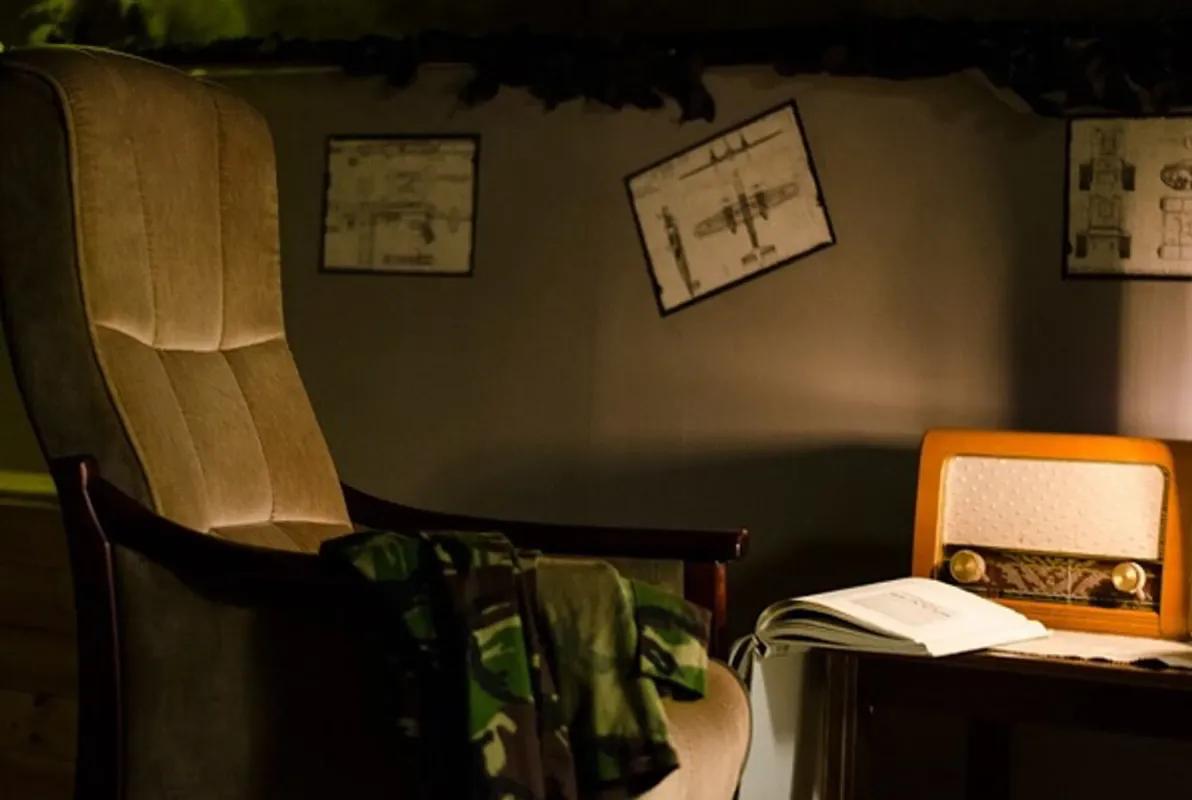
The story is set back in time. It's the late 70s-early 80s, the peak of the Cold War between the United States of America and the Soviet Union. Tension is rising, and both armies are on high alert. The biggest spy of this time is a double agent who secretly works for both sides. Someone has infiltrated his bunker and initiated the nuclear warhead launch sequence. A special ops team has been dispatched to abort the launch at any cost. You are the world's last hope.
AI
Brief assessment
Navigator AICold War Bunker is a throwback, mission‑driven room with a tense launch-abort storyline, crunchy mechanical puzzles, and a few great teamwork moments. Best with 2–4 players who don’t mind some math and enjoy that Gen 1/Gen 2 charm.
The owner of this escape room has not yet confirmed their details.
If you are the owner of this escape room, please confirm your details so that customers can see your contact information for bookings.Location
Paid Parking
Wifi
Wardrobe
AI Overview
AIReviews agree the room is mostly linear and can feel clunky, with puzzle order and lock matching causing friction. Difficulty sits around medium but spikes when algebra, maps, or weak feedback get in the way. The set feels dated to some and nostalgically old-school to others, yet the atmosphere and sound design land well. Game masters are praised as friendly, though hints aren’t always context-aware, and the room plays smoother with smaller groups.
WeaknessesFlow can be confusing with lock/combination overload, reused color codes, and a few red herrings. Some props show wear, including faded lock lettering, and feedback on certain interactions is thin. With larger groups it gets cramped and people can end up waiting for the next step.
StrengthsImmersive Cold War vibe with solid sound effects and a cool carry‑around mechanism that promotes teamwork. Mechanical puzzles have a satisfying, hands-on feel and there’s enough variety to keep most groups engaged. Friendly GMs help keep momentum when the room stalls.
SecuritySpace is cozy and can feel tight with big teams, so mind your footing and each other. Standard briefings and safe props; nothing alarming reported beyond worn locks that could use replacing for clarity.
Level of fearNot scary and no horror elements; tension comes from the ticking‑clock theme and audio. Suitable for kids with adults, especially if someone can handle the mathy bits.
Actors' gameNo live actors. Game masters are repeatedly described as kind and helpful, though a few guests wished hints better matched prior conversations or gave clearer confirmation.
Quality of riddlesMostly mechanical with a dash of tech, leaning linear and combo‑lock heavy. Several puzzles are clever, but a few connections feel unintuitive, with early-exposed info and occasional weak feedback. Expect some algebra, geography/maps, and communication tasks, plus one tool used across multiple stations.
PlotYou’re a special ops team racing to stop a double agent’s nuclear launch inside a Cold War bunker. Progress is mission‑based, moving station to station to shut down the sequence before it’s too late.
Difficulty levelMedium overall with spikes; puzzle people and history buffs do well, but beginners may lean on hints. Plays best with 2–4; at 6+ the linearity creates idle time.
Reviews